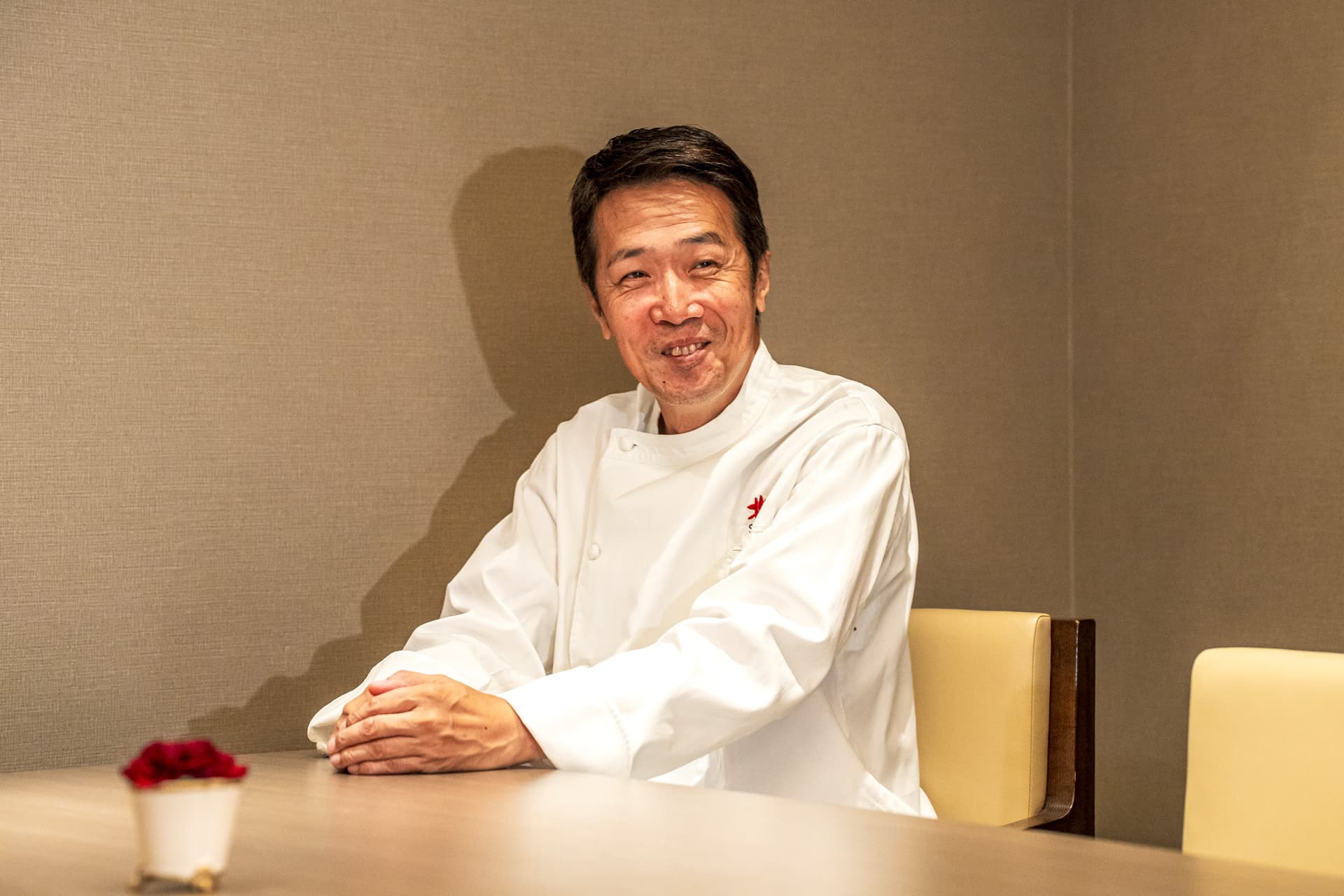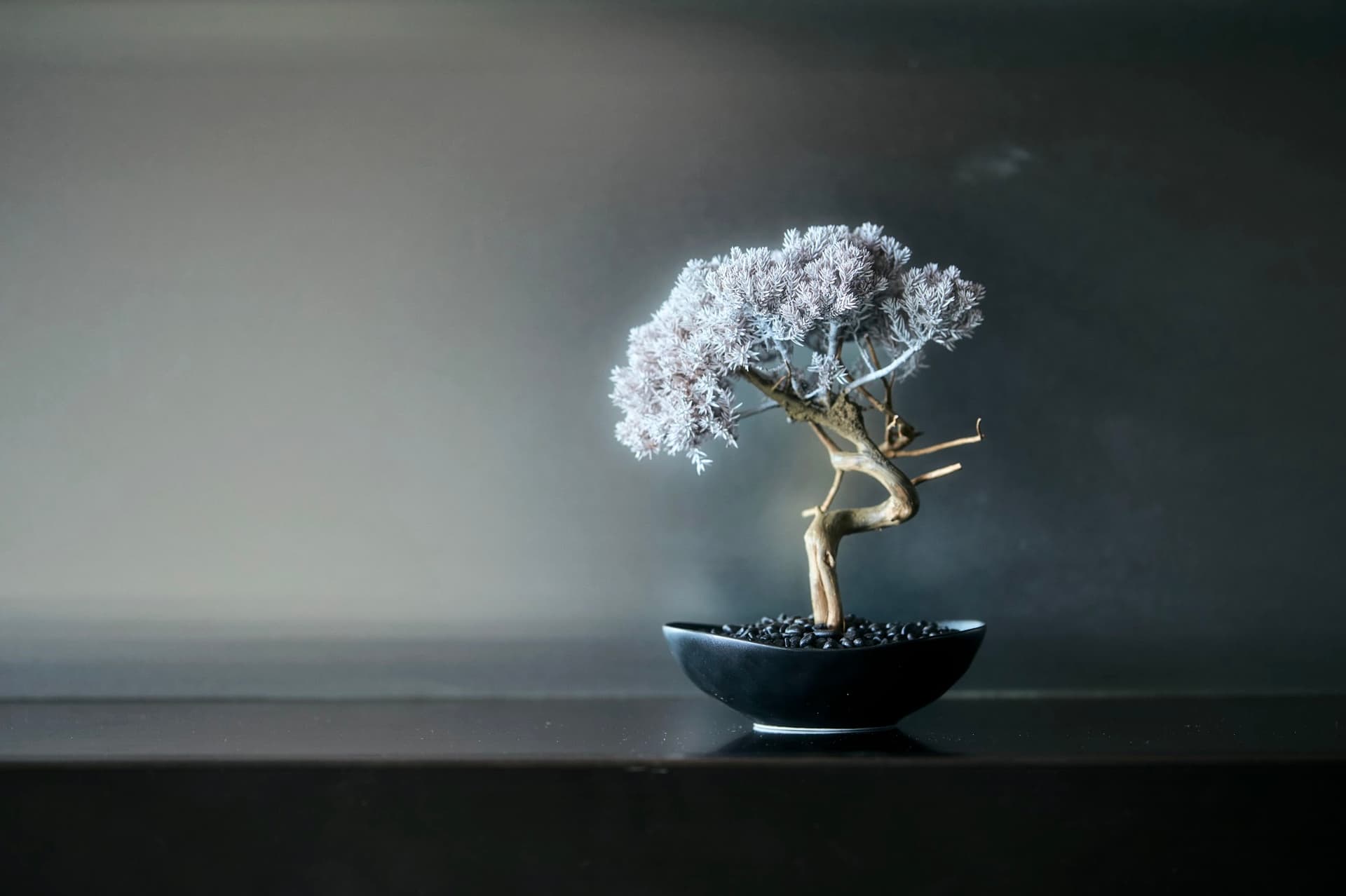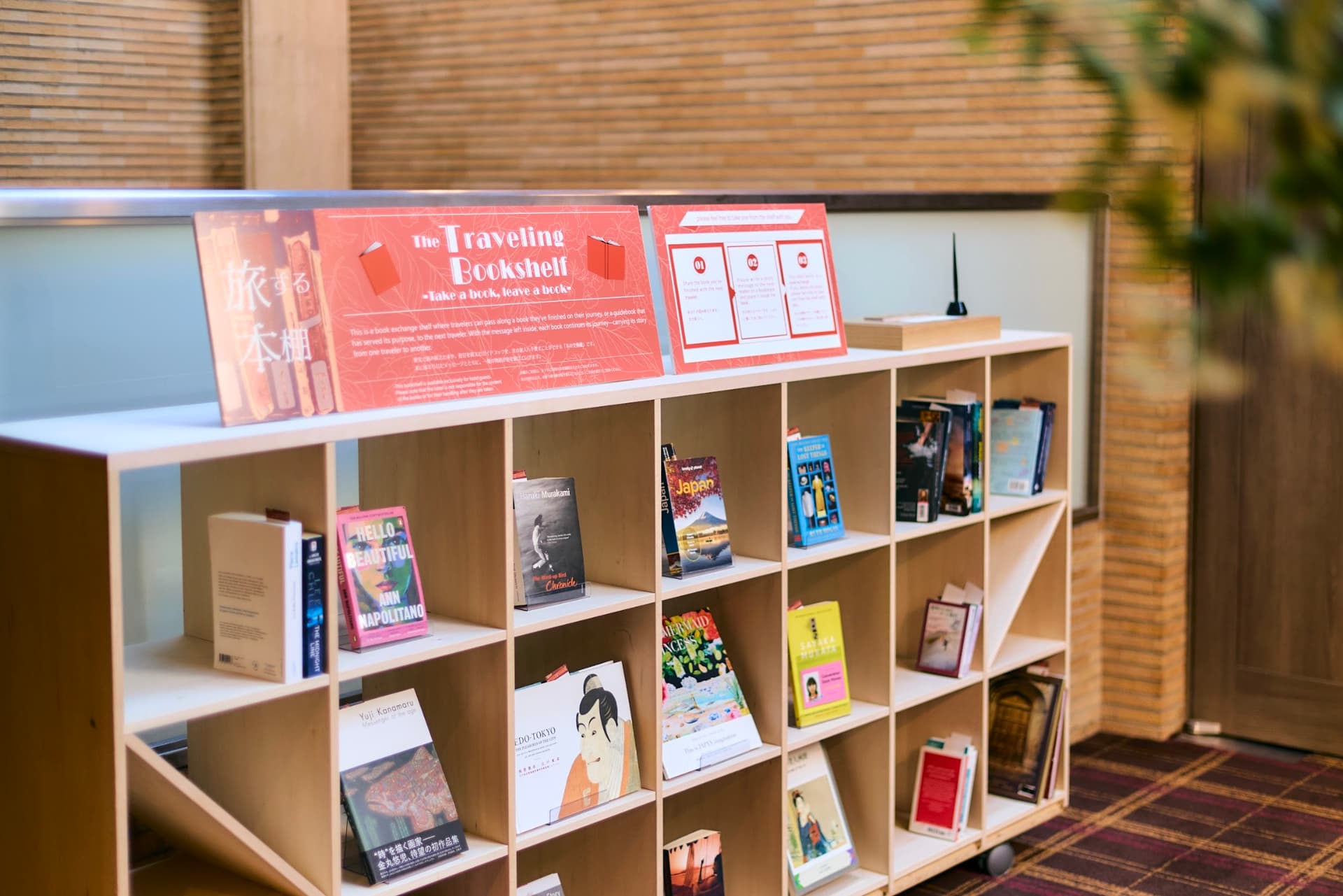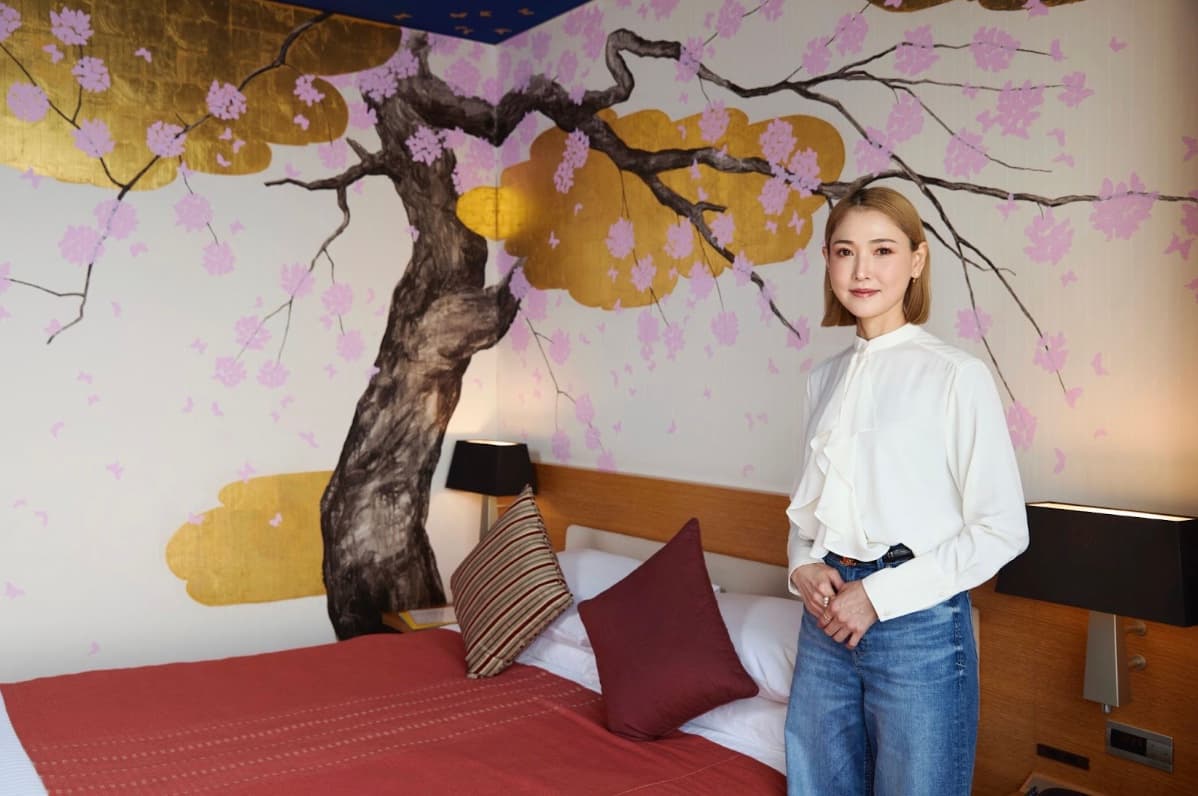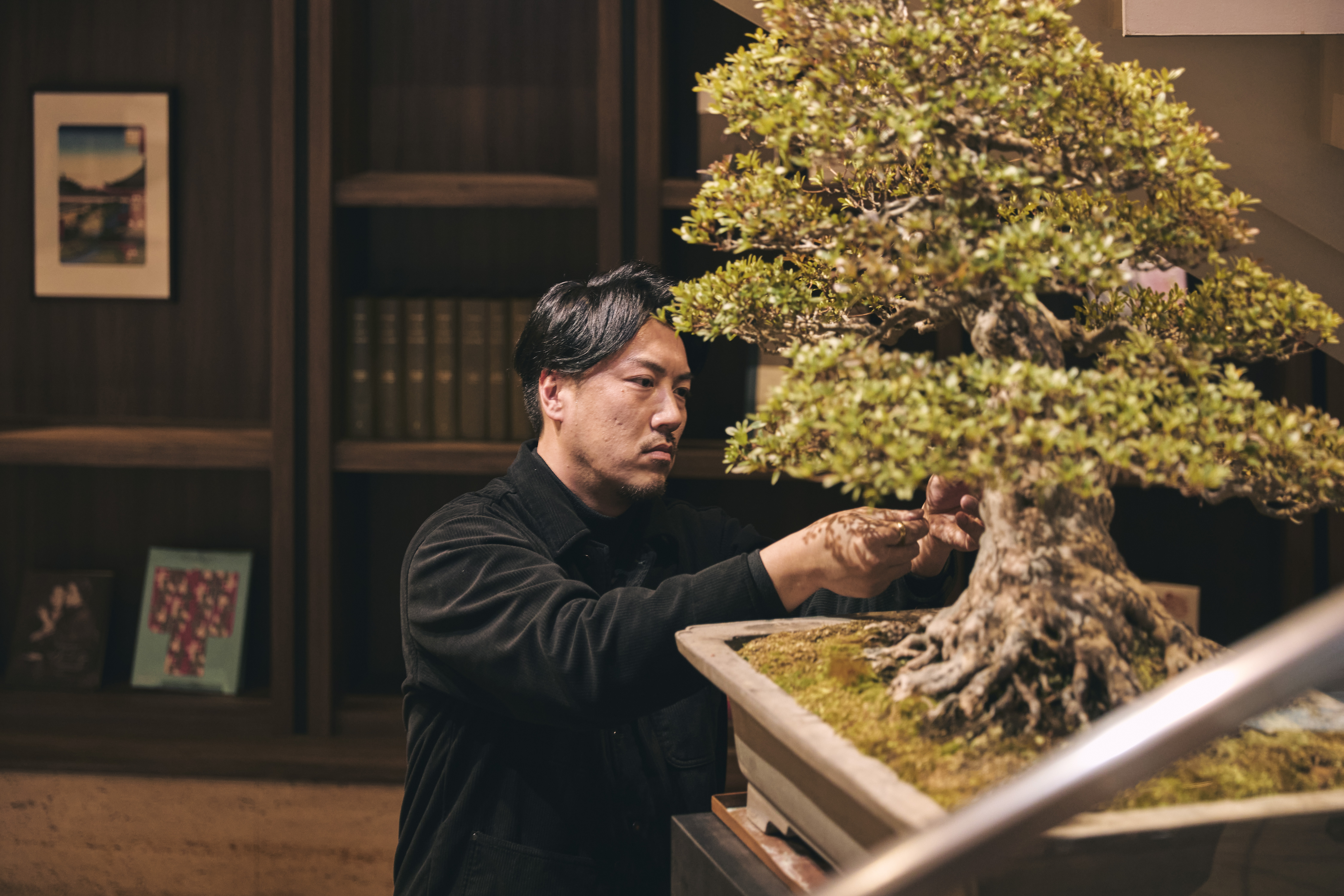
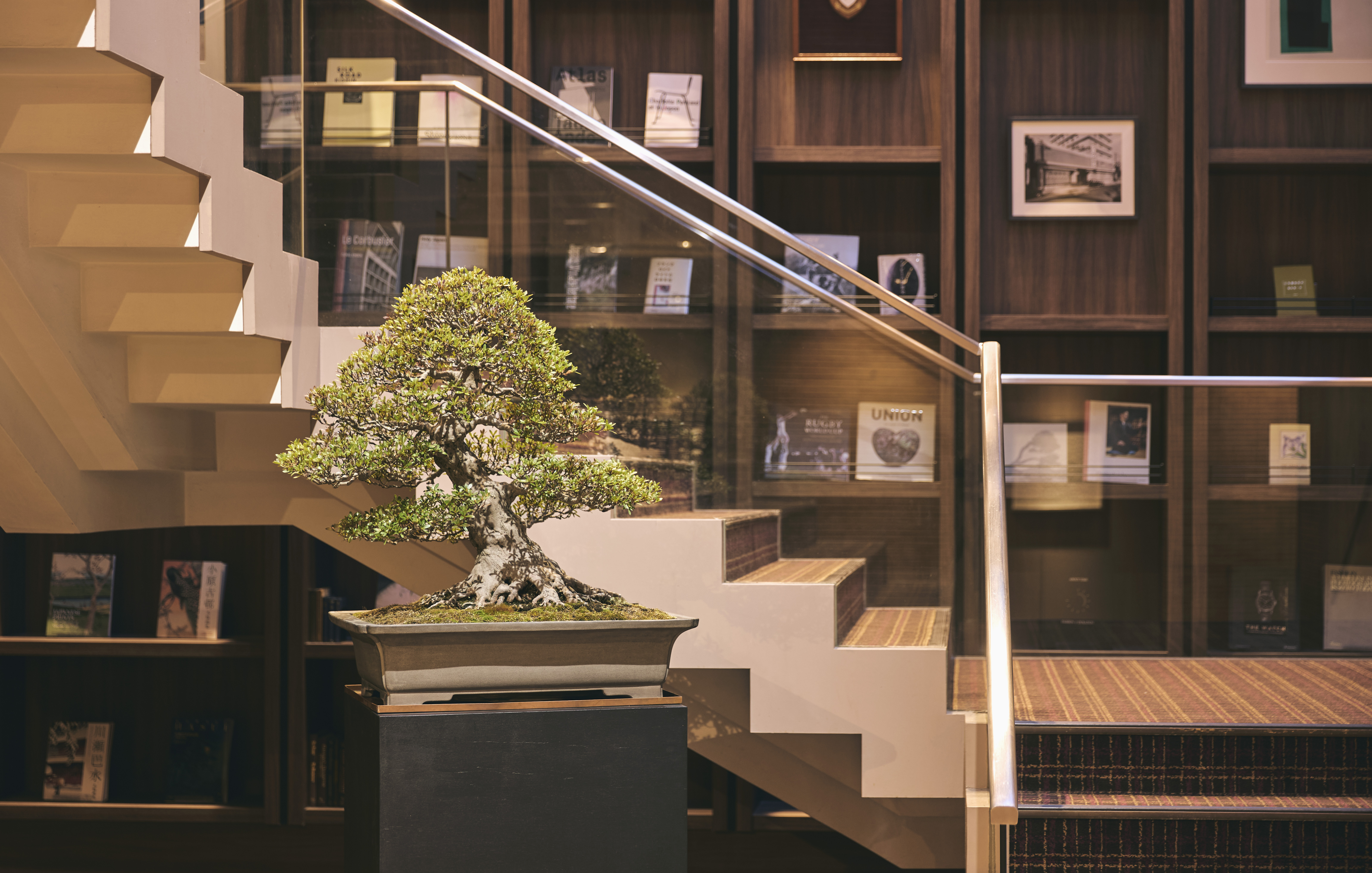
As part of its efforts to let guests experience the appeal of Japanese culture during their stay, Shiba Park Hotel (Operated by Shiba Park Hotel Co., Ltd. / Minato-ku, Tokyo / President: Noriyoshi Tanaka) holds a year-round bonsai display, specially selected by BONSAI SADASYO, on the Central Staircase on the hotel’s first floor. Standing on the historic Central Staircase, the bonsai not only bring a quiet dignity to the space but also speak to the depth of a Japanese culture handed down over many years. BONSAI SADASYO traces its roots to Mariko Bonsai Garden, founded in 1974; today its third-generation bonsai artist, Daisuke Mariko, carries on that skill and spirit while passing bonsai culture on to the future. For this interview, we spoke with Daisuke Mariko, representative of SADASYO Co., Ltd., about how the collaboration with Shiba Park Hotel came about, the meaning of setting bonsai within a hotel space, and the appeal of bonsai he wishes to share with guests from Japan and abroad.
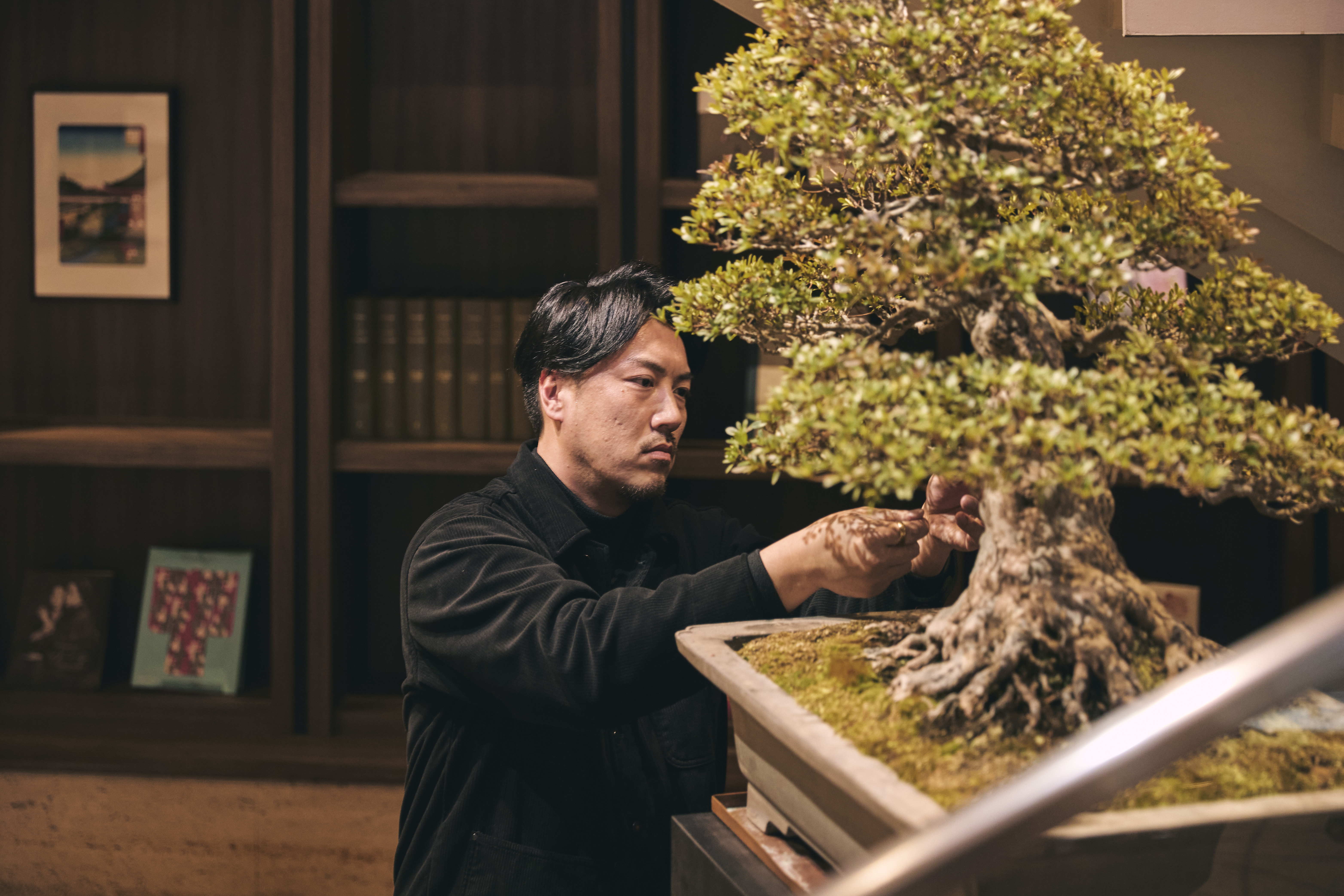
Founding SADASYO Co., Ltd.: Carrying a 1974 Bonsai Garden Into the Future
Q. Please tell us about SADASYO Co., Ltd.
BONSAI SADASYO traces its roots to Mariko Bonsai Garden, whose history dates back to 1974, and I serve as its third-generation head. Up through the first and second generations — my father’s time — we never accepted any coverage from the media or magazines. But I came to feel a genuine sense of urgency: unless Japanese culture itself is properly shared, the entire bonsai industry will shrink. So in March 2024 I established SADASYO Co., which handles the sale of bonsai, a bonsai leasing business, and a Japanese garden consulting business. The bonsai leasing now under way at Shiba Park Hotel is also carried out through SADASYO Co.
Guarding Tradition While Opening New Doors
Q. How do you feel about the difficulty of protecting tradition while continuing to take on new challenges?
I find it a very difficult balance. The traditions, the dedication of the craftsmen, and the history behind them must of course be treasured — but I also believe there is no growth in simply repeating the same thing. That is exactly why we need to protect tradition while taking in new culture and new knowledge. At the same time, I feel the foundations of bonsai must never be broken. A living bonsai is what a bonsai truly is, and JUME BONSAI, the washi art bonsai brand launched in 2025 we launched in 2025, is a separate brand and a separate genre. If everything were accepted as one and the same, the very foundation of the culture would waver. I want to leave that foundation untouched while creating new entry points that give people a first way into bonsai culture.
Why BONSAI SADASYO Chose a Library Hotel in Tokyo
Q. What led to the collaboration with Shiba Park Hotel?
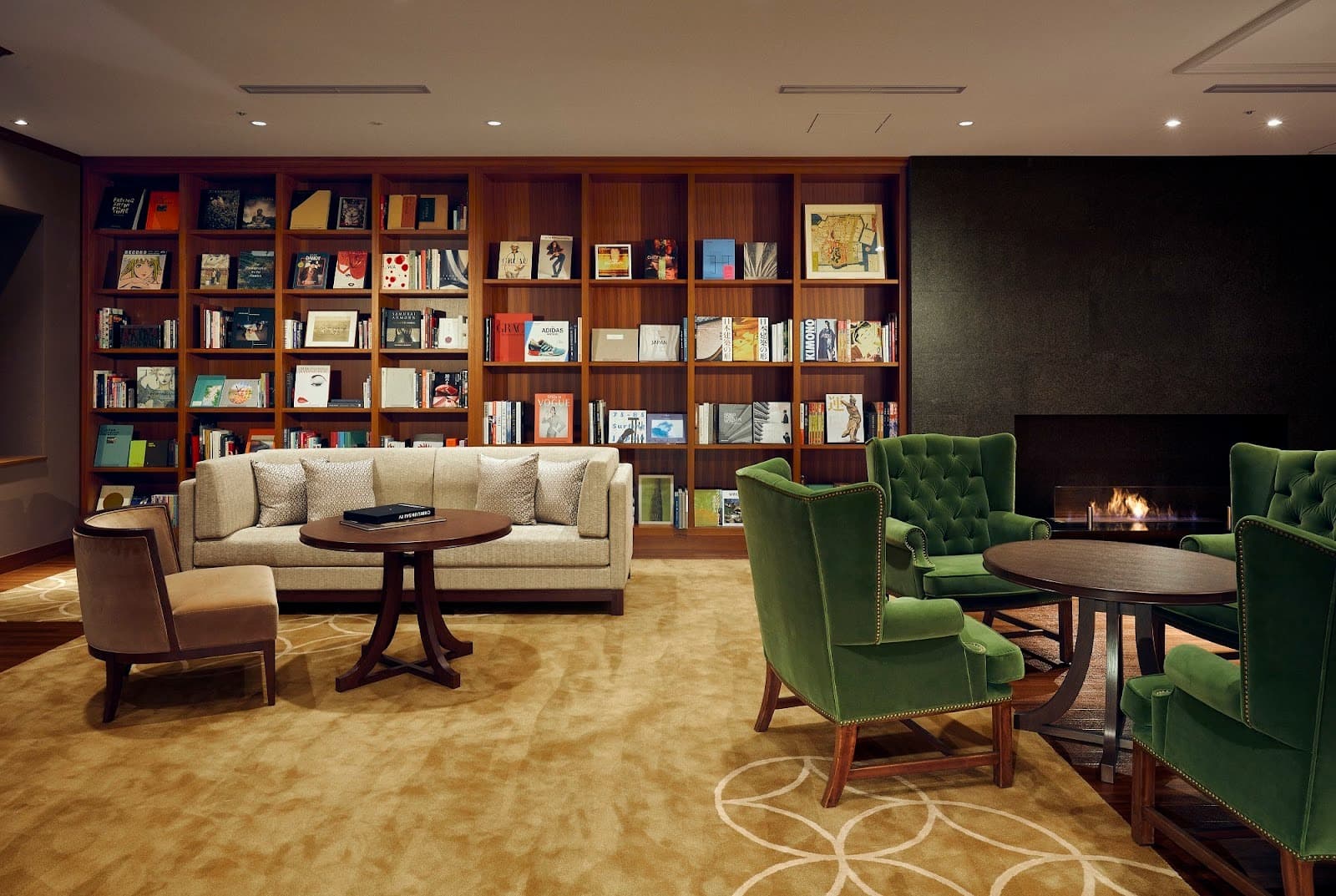
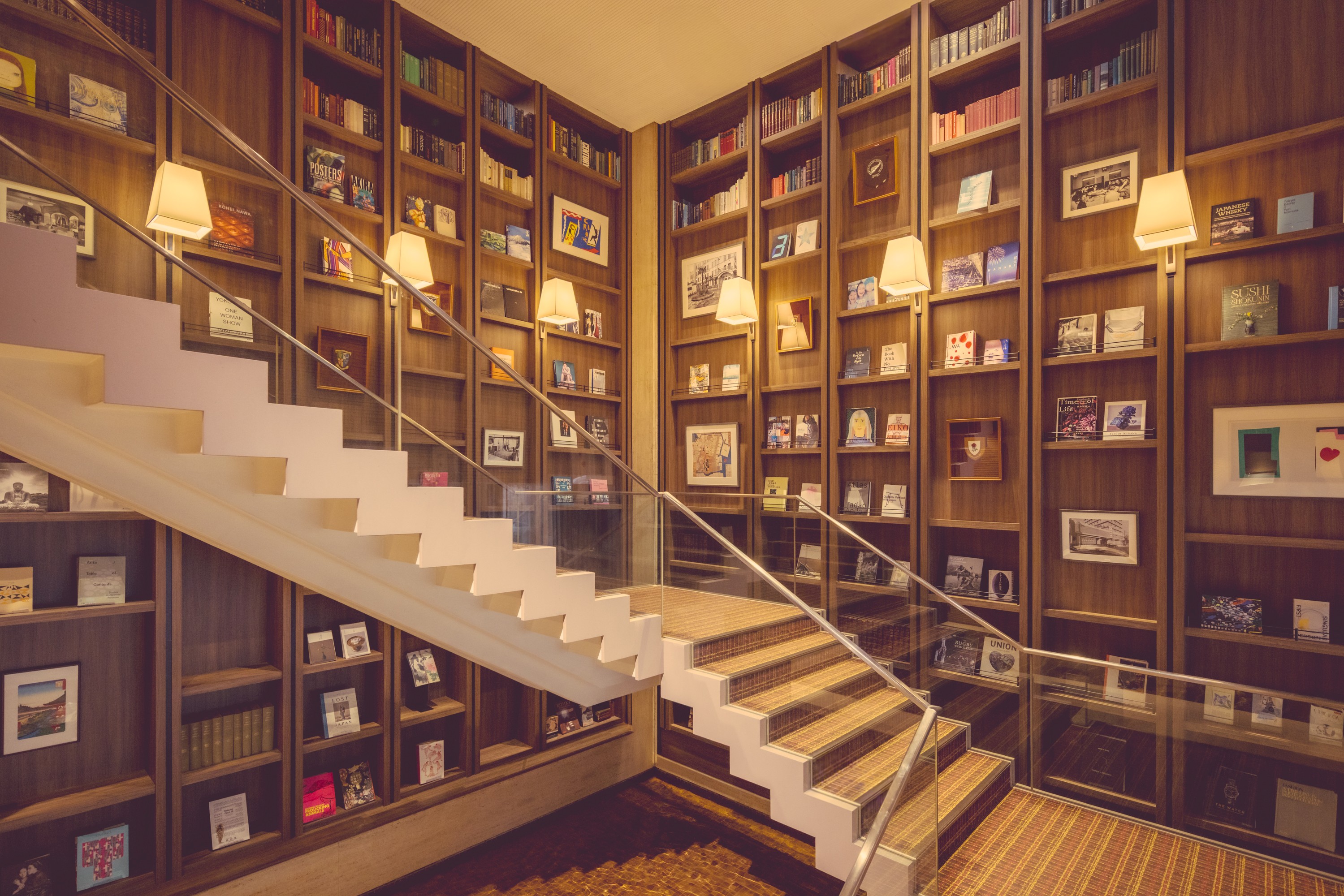
For our part, it was never a case of anywhere would do. When we first spoke, I could feel how passionately Shiba Park Hotel was communicating its history, its books, and the thinking it had poured into its renewal as a library hotel. It was not simply a matter of placing bonsai somewhere; the setting had to be one where the reason bonsai belongs in that space — its very meaning — held together properly. With Shiba Park Hotel, I felt that the thinking at the foundation resonated with ours. Rather than an approach of showing bonsai to overseas guests for its own sake, I had a strong wish to work together in a place where the cultural background could be shared as a whole.
A Year-Round Display for Feeling Japan’s Four Seasons — a Cultural Stay in Tokyo
Q. What possibilities do you see in displaying bonsai year-round within a hotel?
Displaying bonsai throughout the year carries a great meaning: guests can feel Japan’s four seasons. For guests who have travelled to Japan from distant countries, the hotel is the base of their stay and a place to rest body and mind. Within that space, being able to feel the passing of Japan’s seasons — the particular character of this very moment — close at hand is, I think, tremendously valuable. When so many displays are limited-time events, being allowed to place bonsai year-round in the very first spot that catches the eye on entering is a true honour. That is precisely why I want always to set out bonsai I can stand behind.
The Satsuki Azalea, Timed to Bloom on Installation Day
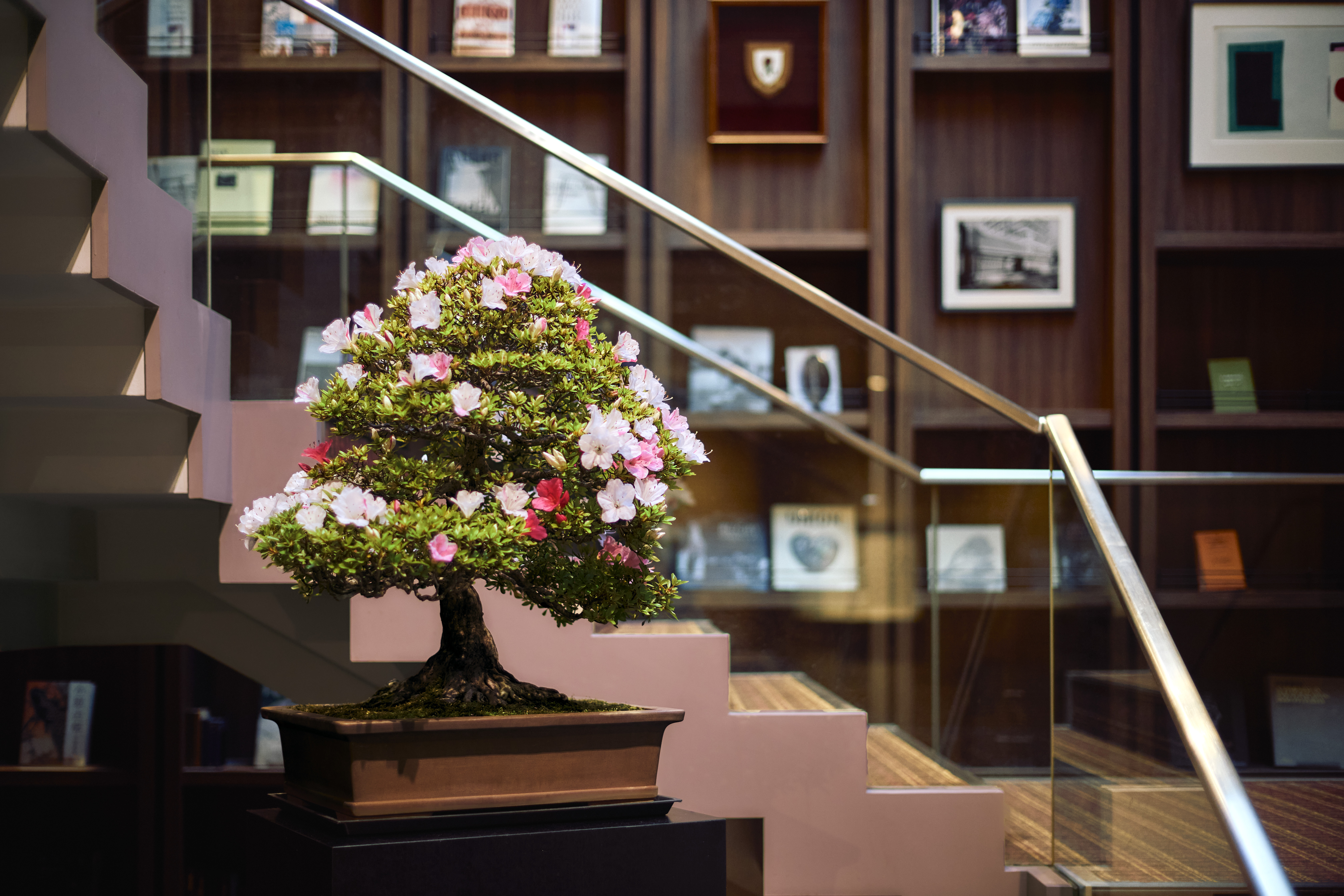
Q. The satsuki azalea bonsai shown in May drew a strong response from overseas guests.
A satsuki azalea bonsai actually flowers for about ten days, but the most beautiful form we can show guests lasts only around five. So from about fourteen days before installation I manage temperature and humidity in fine detail — changing where I water, for instance, so that water does not fall on the buds or blossoms — and bring the tree to full bloom exactly on the day it is set in place. To hear that guests were delighted by a bonsai prepared this way is a real joy. And if they return next year, they will meet a different form, a bonsai of a different season — that, too, is a charm only a year-round display can offer.
How to Appreciate Bonsai: A Living Art
Q. How would you like overseas guests to appreciate bonsai?
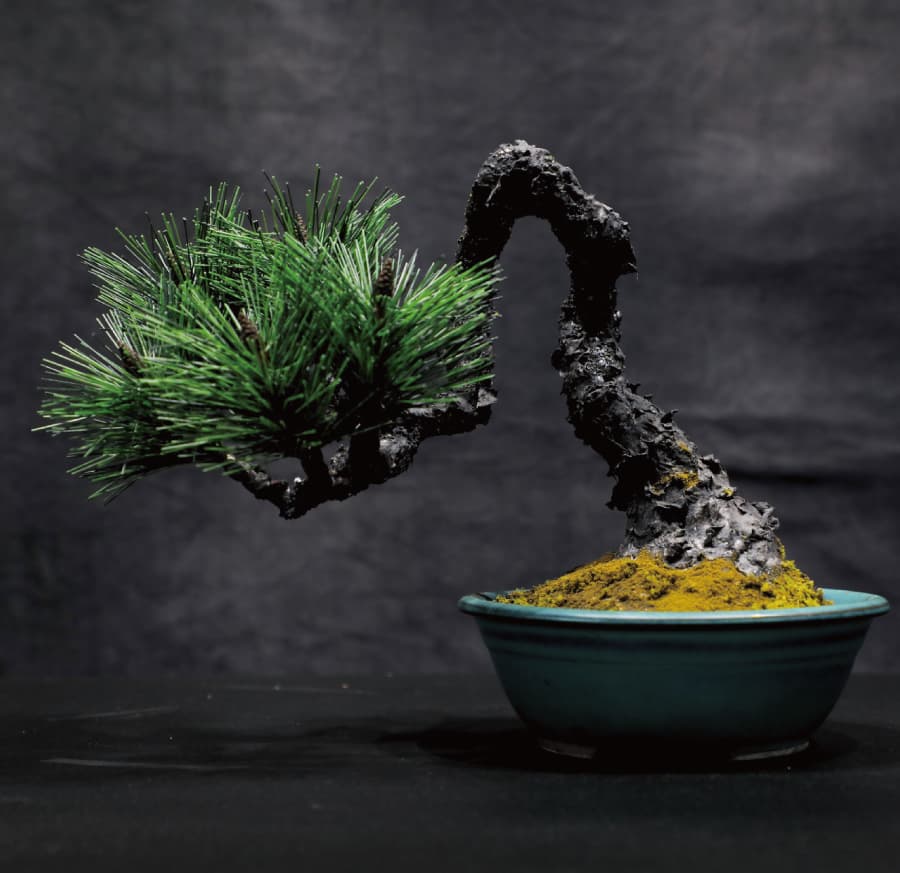
There is no fixed answer, no particular way I insist people should look at it. First of all, I simply want guests to receive whatever impression or feeling comes to them, just as it is. If I were to add one thing, though, it would be this: I see bonsai as a form of “living art.” The form before you now is the accumulated history of ten years, a hundred years, or even longer, lived and survived. When you imagine why a branch droops the way it does, or why the tree took this shape, bonsai becomes far more interesting. Perhaps a branch was broken by a typhoon or by snow — and we keep the tree alive, that change and all. I would be glad if guests pictured how this tree has lived across hundreds of years. Not merely that it is beautiful, but what there is to enjoy here and now, and what the history of this tree’s life has been — when one’s view widens to take that in, I think the sense of discovery grows deeper still.
The Road Ahead for Bonsai Culture
Q. Please tell us about your outlook for the future.
Because bonsai is a culture of Japan, I want people within Japan to know it better first of all. And to audiences abroad, I want it conveyed and understood as a culture in its correct form. To that end, I want to create an environment where things of history and value can be felt closer at hand. This bonsai leasing is, I feel, one part of that effort. Tradition matters, of course, but while protecting the foundations I want to pass bonsai on as a culture that more people can enjoy naturally. Now, when the industry itself is slowly changing, I want to help build a future in which people of many different standpoints can speak about bonsai.
About Shiba Park Hotel
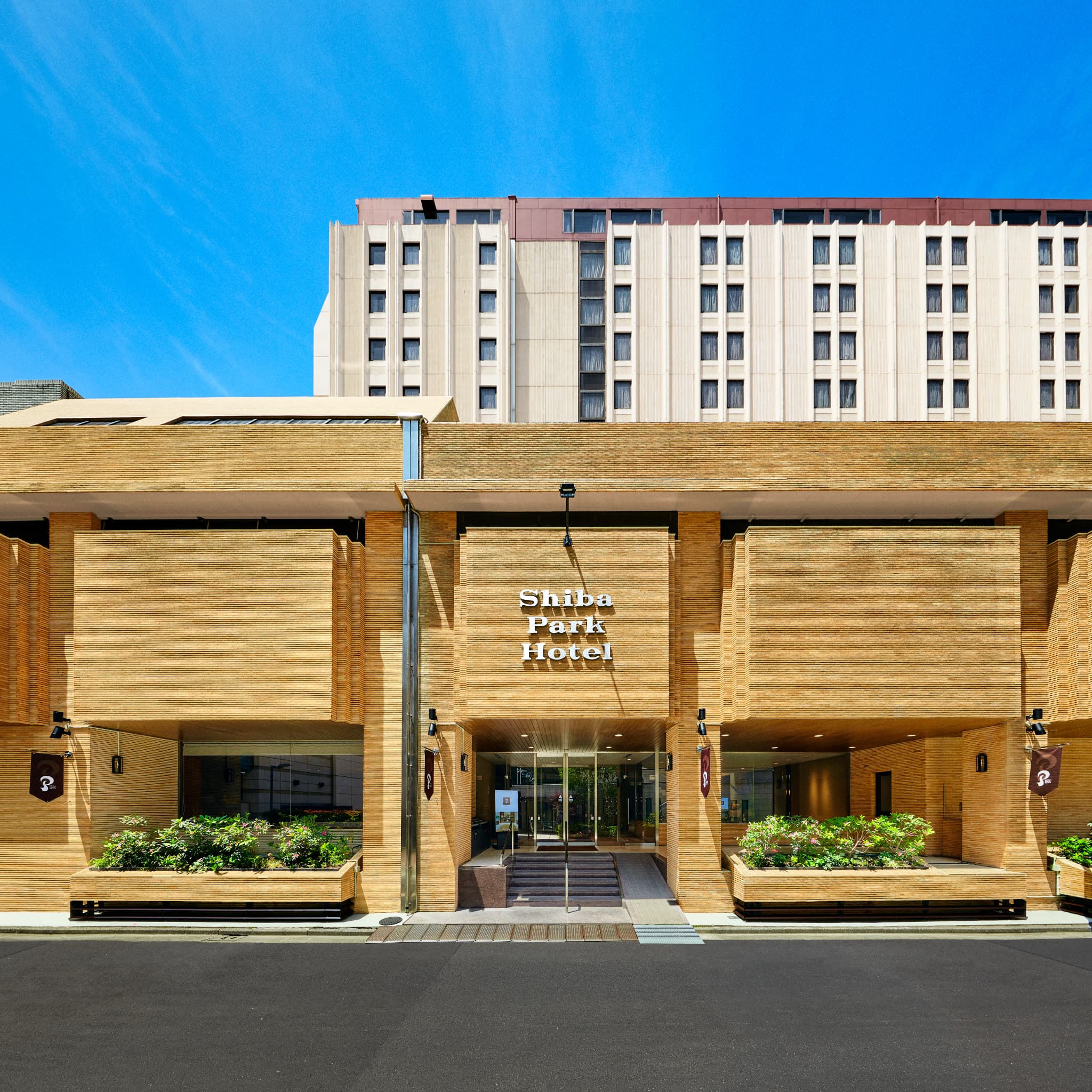
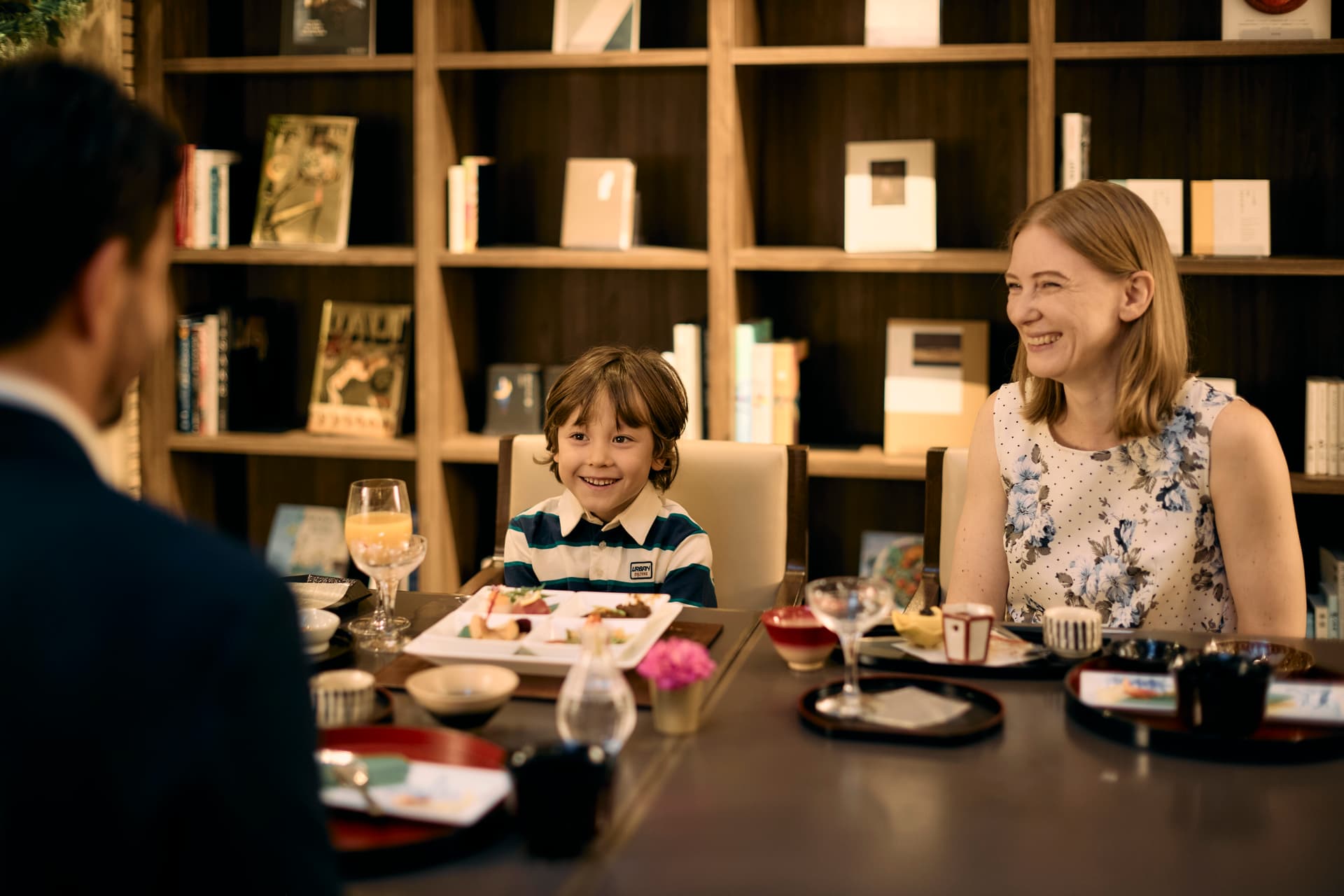
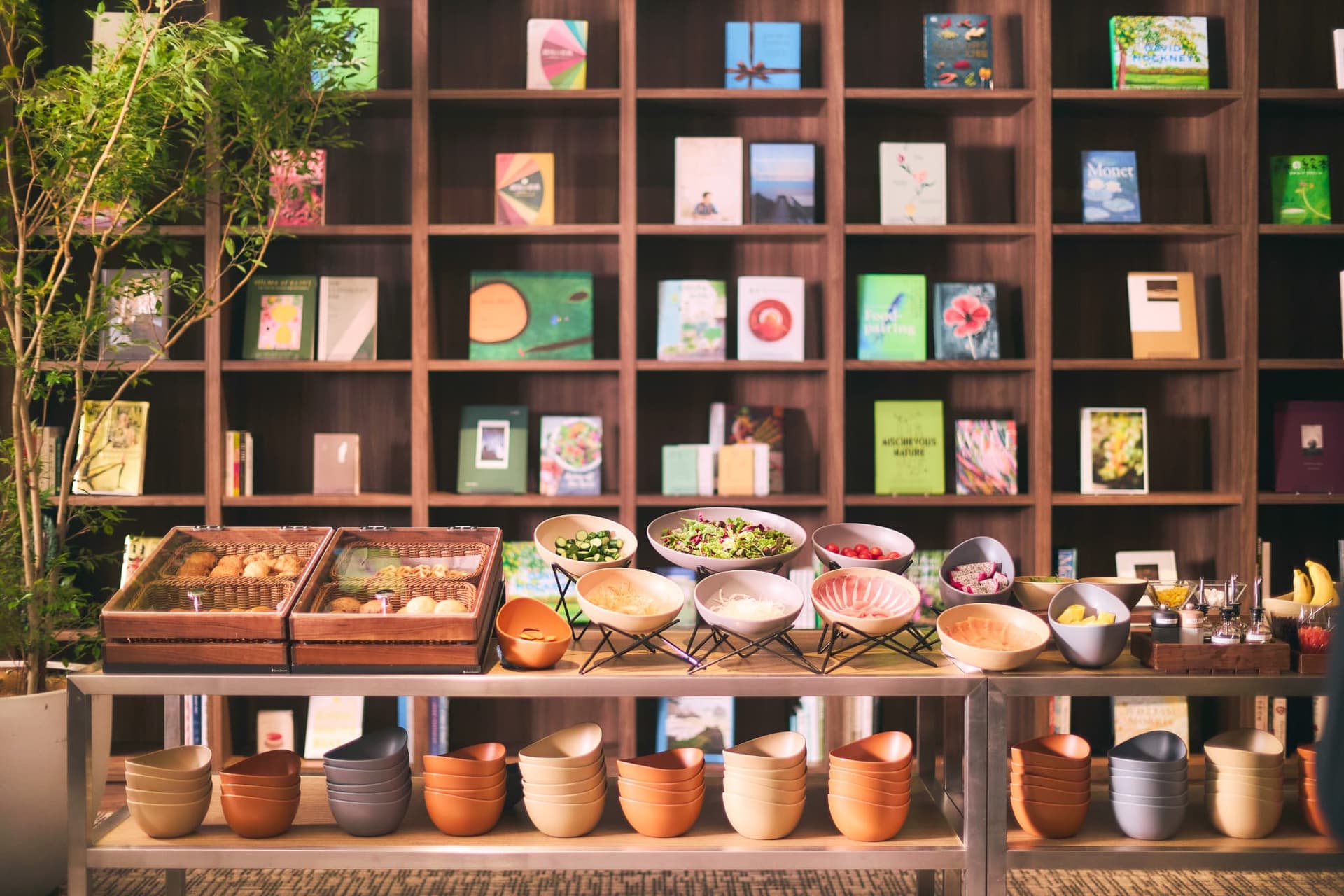
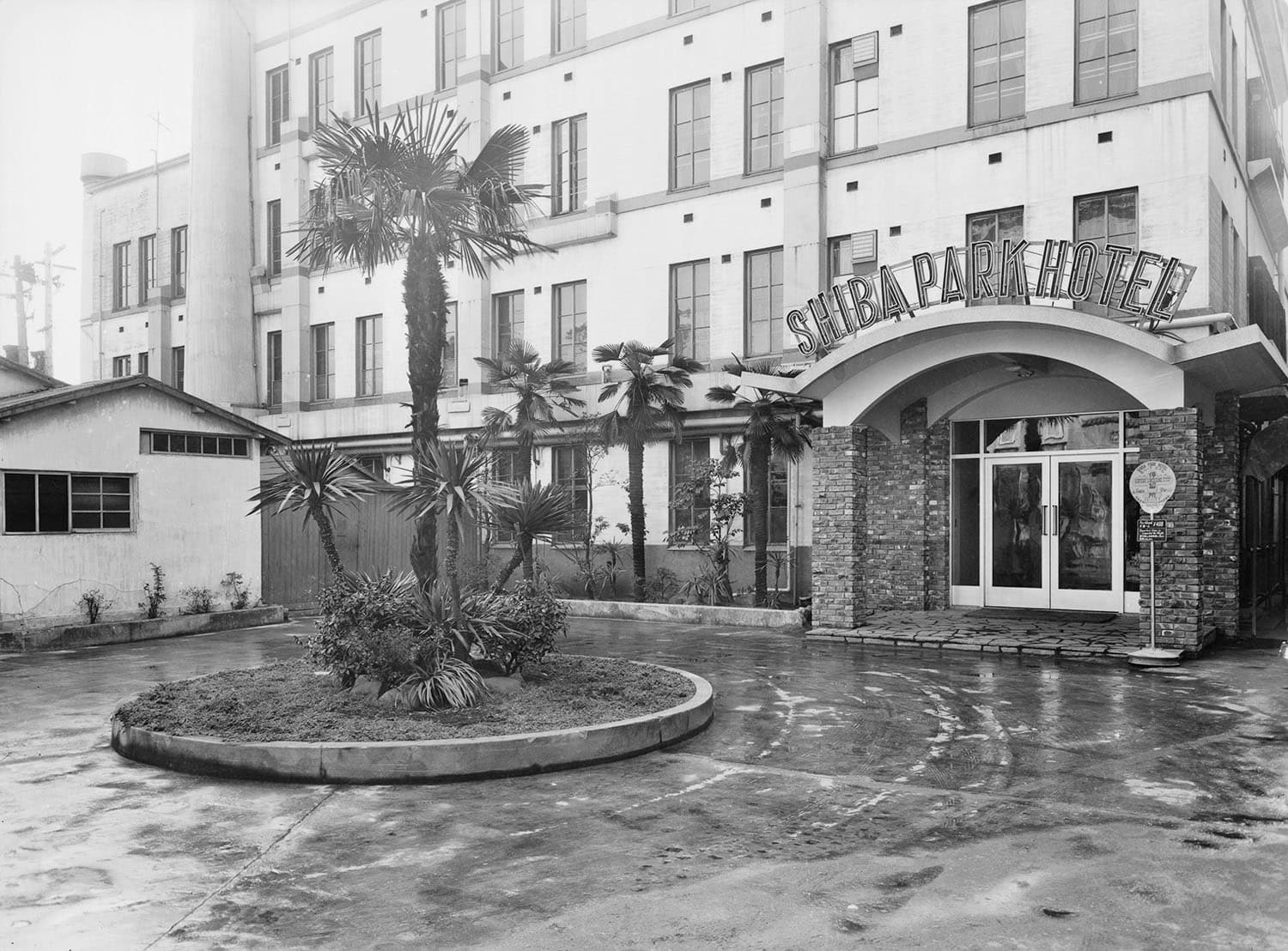
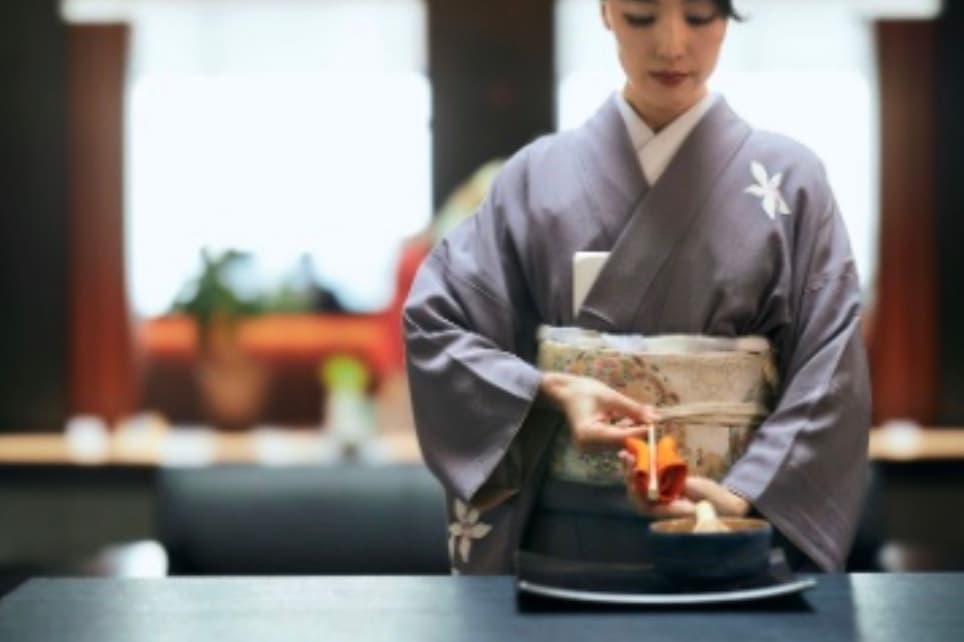
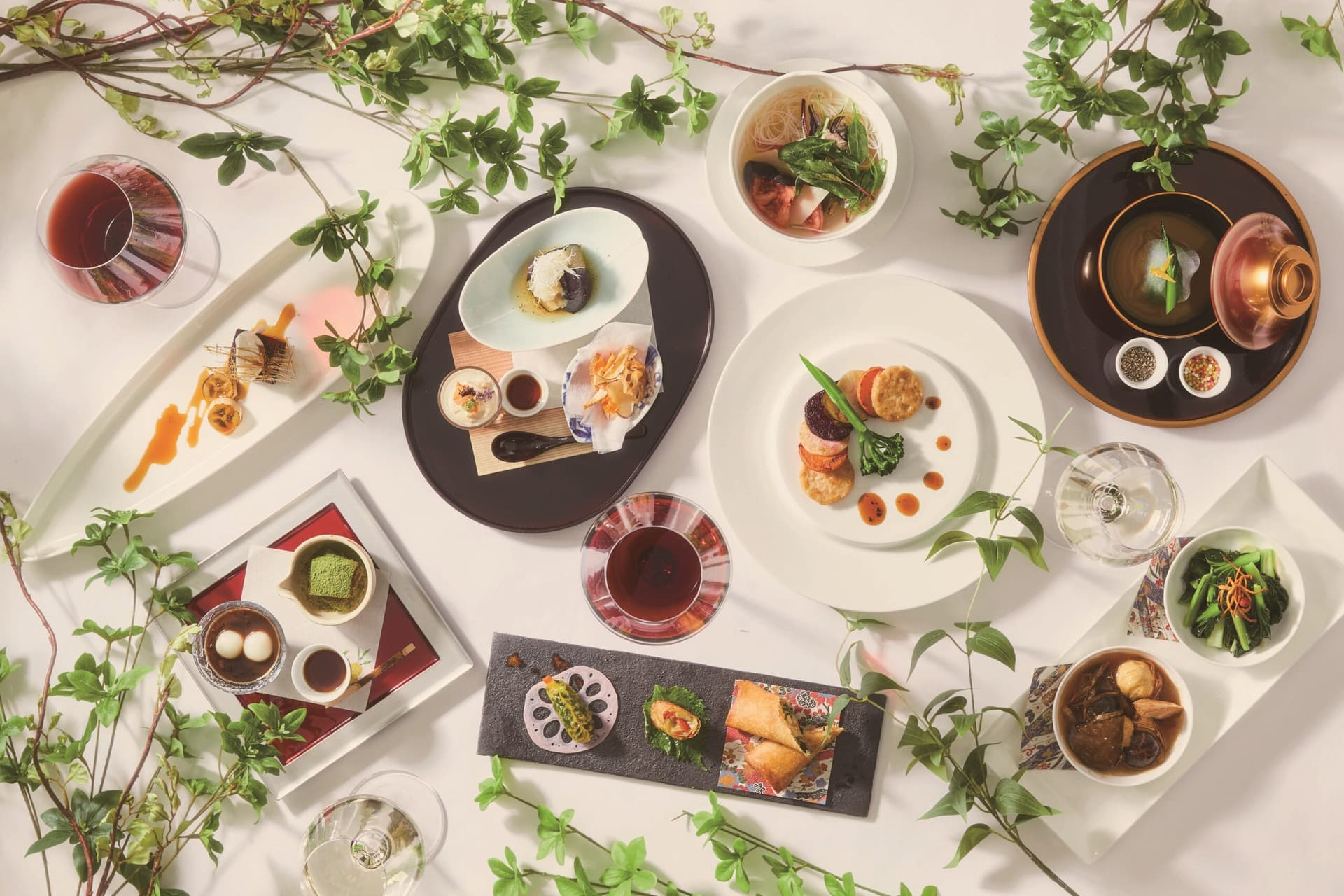
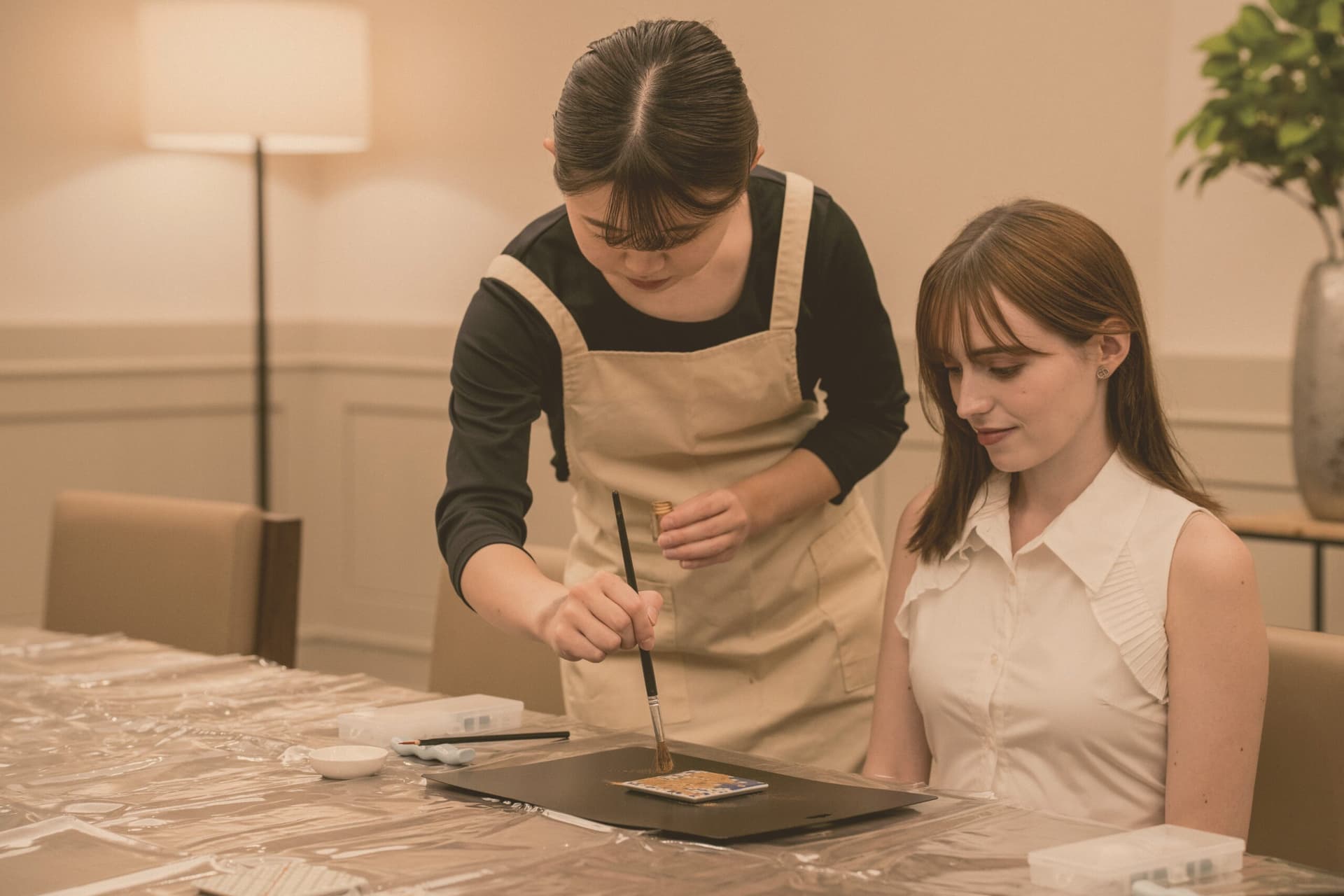
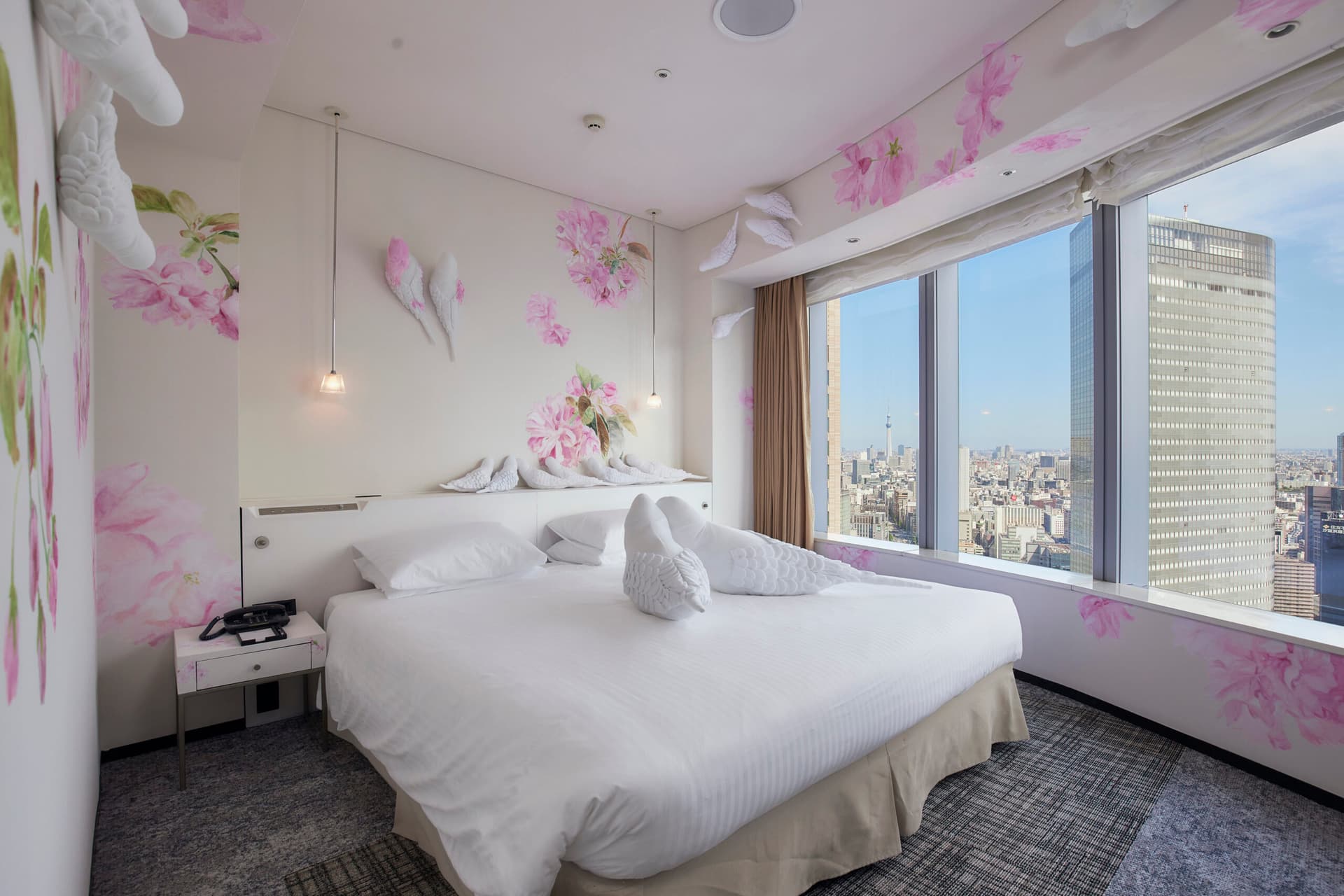
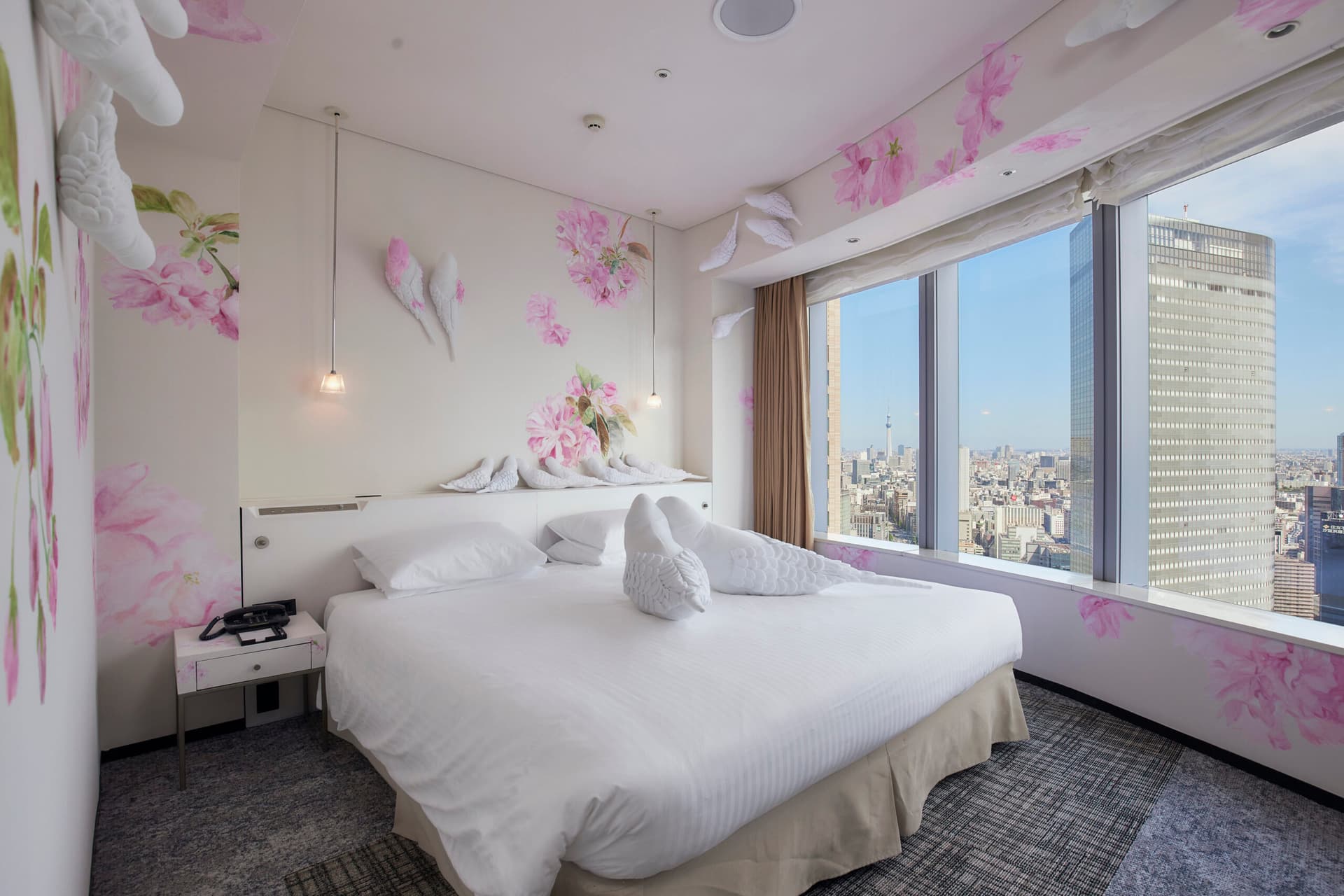
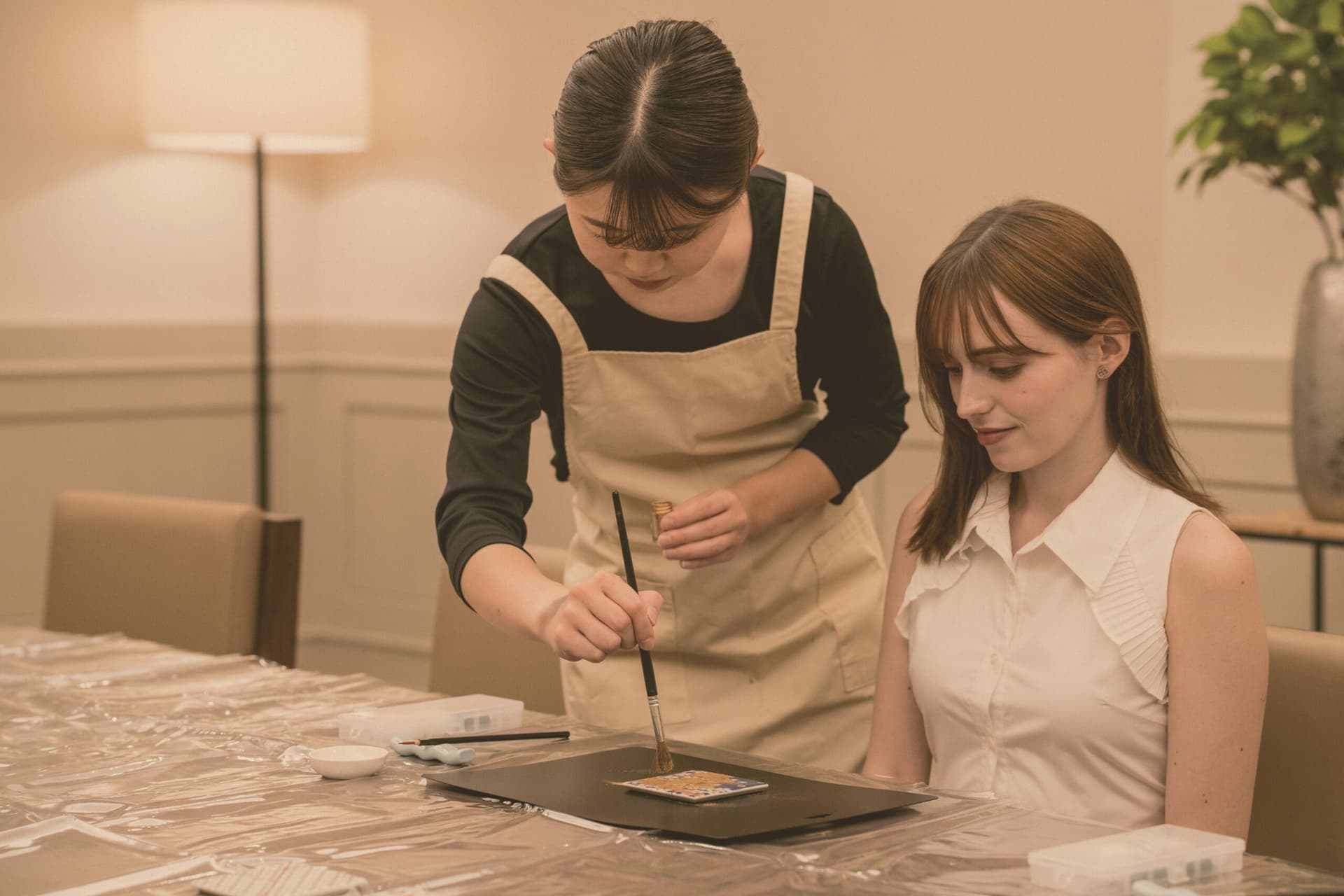
Founded in 1948 as a hotel for foreign trade missions, Shiba Park Hotel has a history and tradition spanning decades. The hotel houses approximately 2,000 books selected by Ginza Tsutaya Books. It offers 198 guestrooms, a first-floor restaurant serving Japanese, Western, and Chinese cuisine, and four banquet rooms on the second floor. Guestrooms and public spaces were renovated from 2020 to 2023. Cultural experience events such as tea service and Kintsugi workshops are also held.