Japan has the second-largest number of golf courses in the world, after the United States. In 2025, the country welcomed a record 42.68 million international visitors, who spent approximately ¥9.45 trillion during their stays. Yet there is no official figure for how many of those visitors played golf as part of their Japan travel.
Neither the Japan Tourism Agency nor the Japan National Tourism Organization reports international golf participation. The most recent estimate available comes from the Japan Golf Tourism Association, which suggested in 2018 that international visitors accounted for just 1 to 2 percent of golf played in Japan. By comparison, the figure was estimated at around 80 percent in Thailand and 20 percent in the United States.
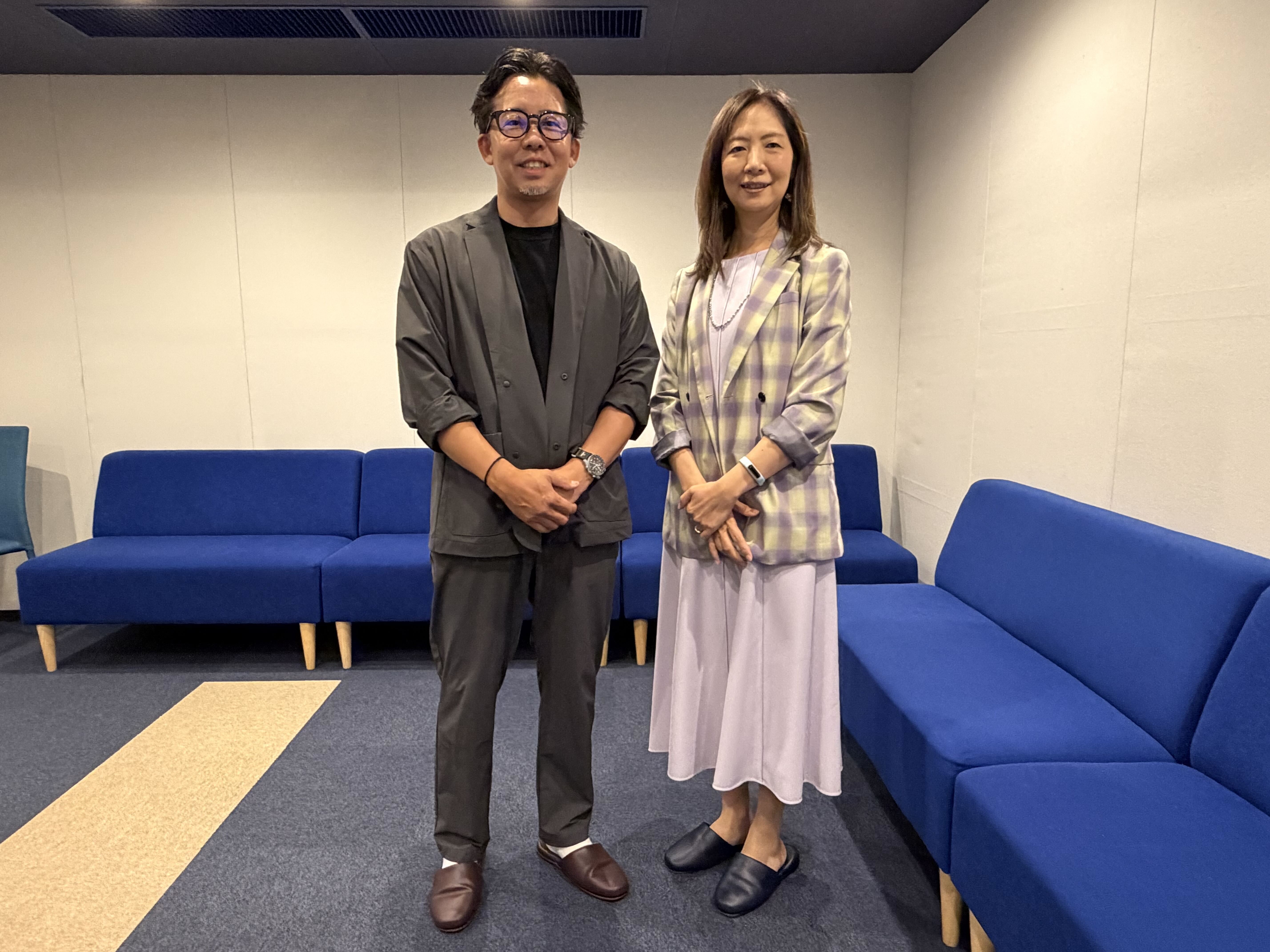
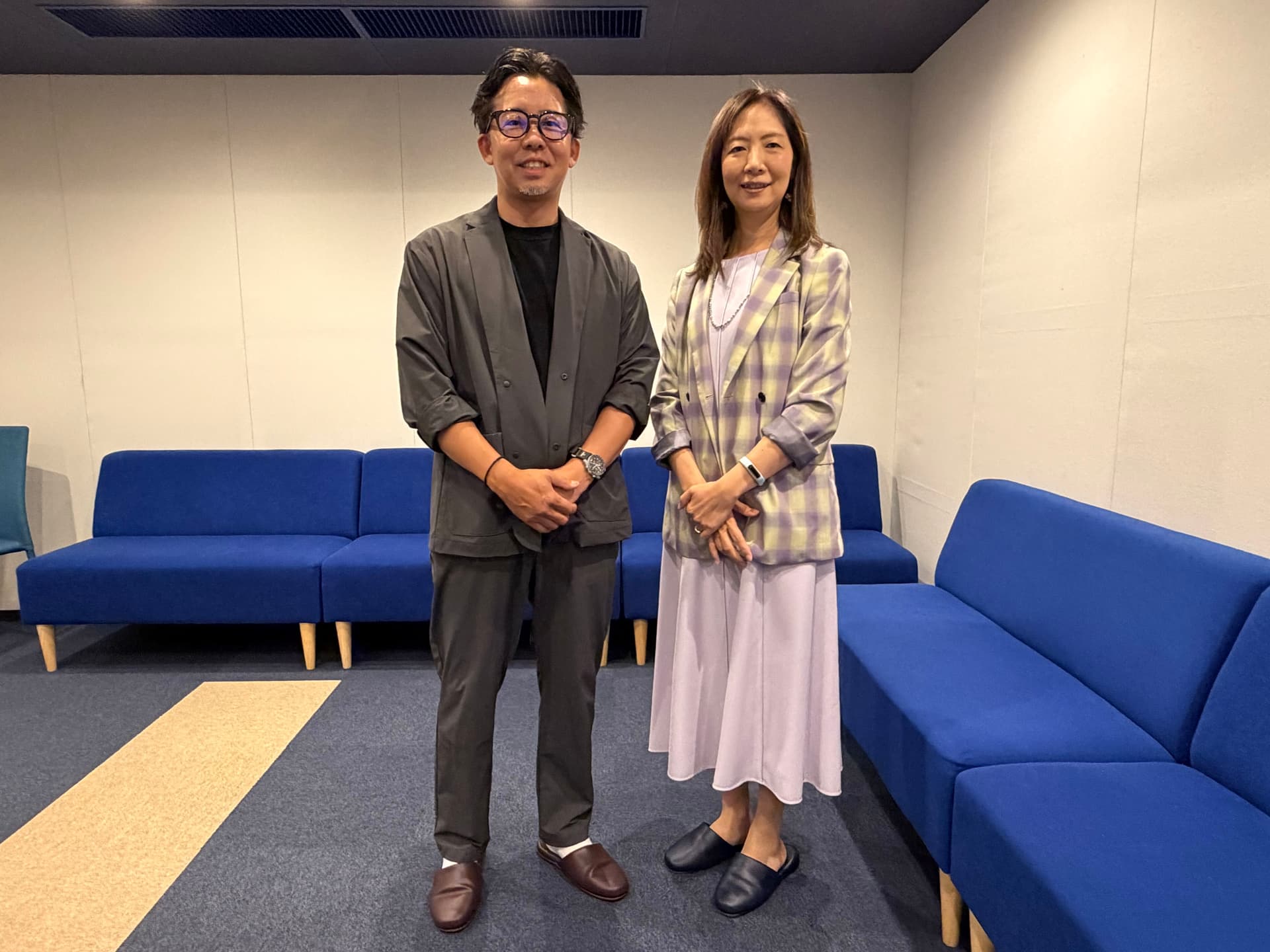
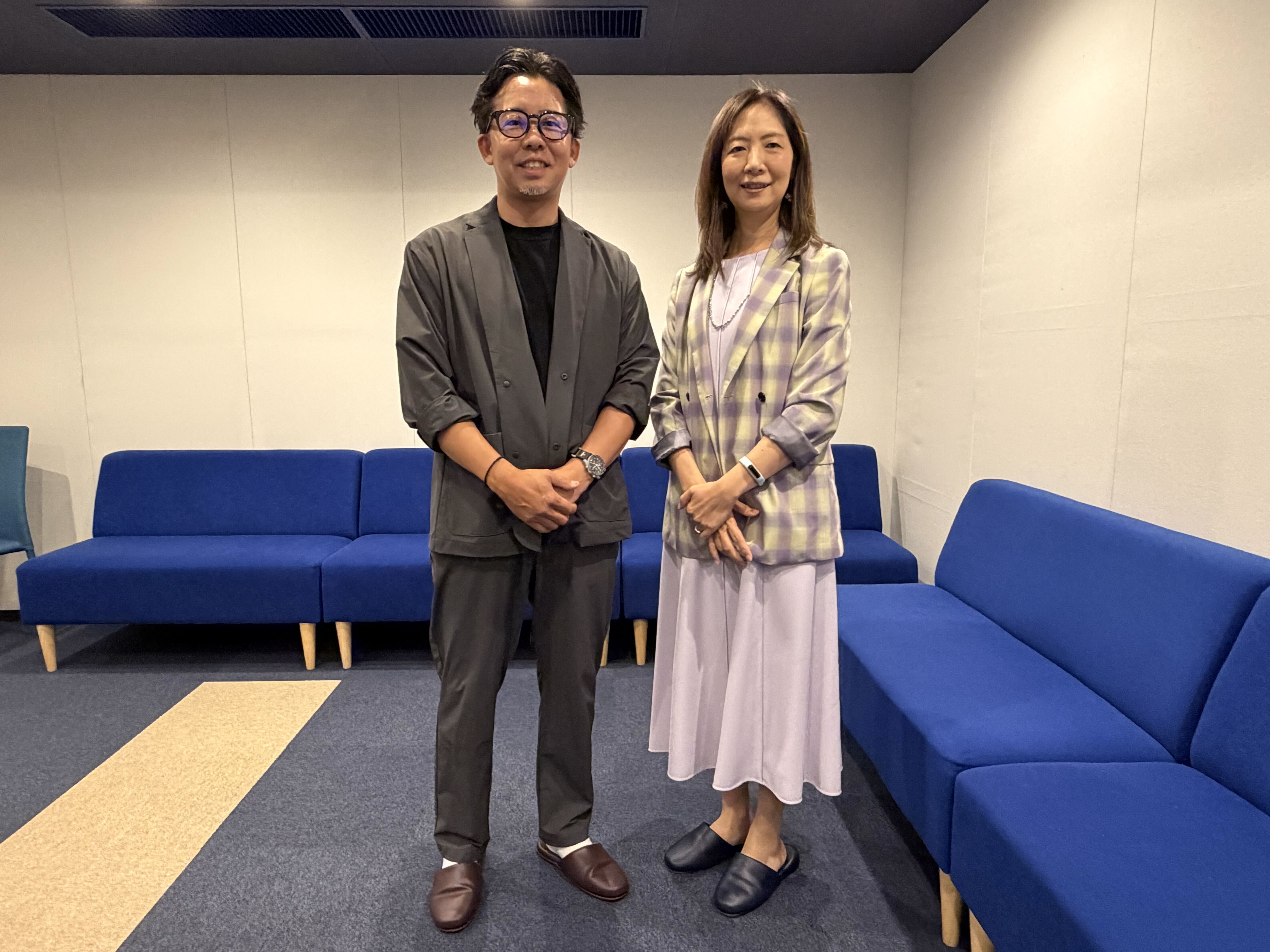
This gap was the focus of a special edition of President Talk, an interview programme hosted by Kumi Fujisawa, outside director of Toyota Motor Corporation and Mercari, Inc. Her guest was Toshihito Okamichi, founder of Elite Golf Japan.
“Japan has more than two thousand courses and doesn’t even measure it,” Okamichi said.
Okamichi spent 14 years with PGM Group, one of Japan’s largest golf course operators. Working on the customer side rather than in course operations, he eventually became an Area Manager. He still plays around 60 rounds a year, but in those rounds he encounters an international golfer no more than twice.
For Okamichi, the problem is not the quality of Japanese golf courses. It is accessibility.
English-language reservation systems remain uncommon, booking procedures differ from one club to another, and overseas travel agents have told him they sometimes turn away enquiries because they cannot make a golf booking with confidence.
Fujisawa’s reaction was immediate: “What a waste.”
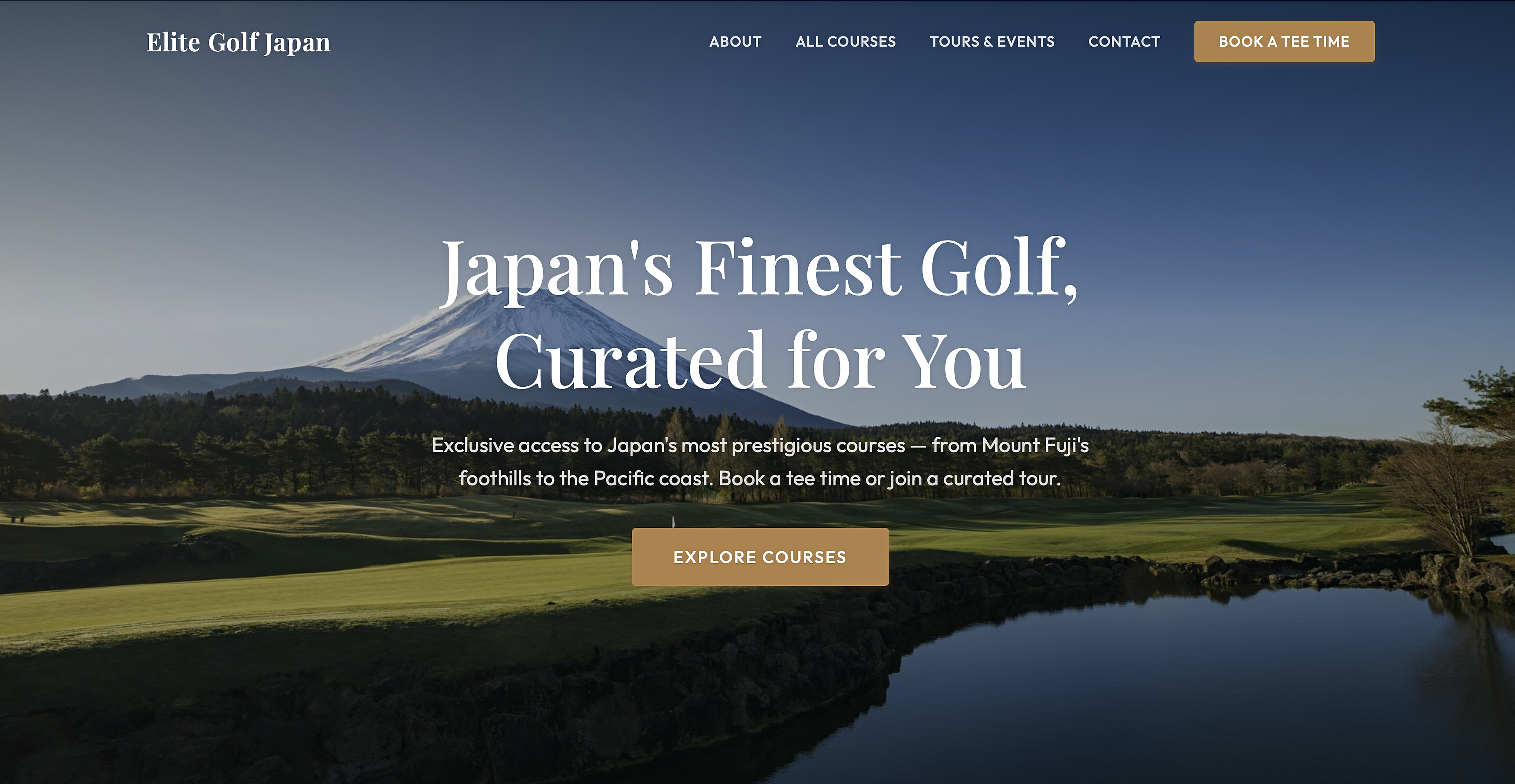
Elite Golf Japan was created to address that gap. The company currently works with 36 partner courses across 14 prefectures, arranging tee times for international golfers and handling Japanese-language reservations, golf club rental, and caddie arrangements. International golfers pay a concierge fee, while the golf courses pay nothing.
“I want the golf courses to make money,” Okamichi said. “So we take nothing from them at all.”
For visitors from markets such as the United States and Australia, the barriers are often practical rather than financial: reservation systems available only in Japanese, varying requirements for group sizes, and golf club rental that needs to be arranged in advance. Elite Golf Japan handles these arrangements on behalf of international golfers, making it easier for visitors to include a round of golf in their Japan travel plans.
At the same time, Japan’s domestic golf market is shrinking. The number of Japanese golf participants fell below five million for the first time in 2024, leaving a vast network of golf courses facing a declining traditional customer base.
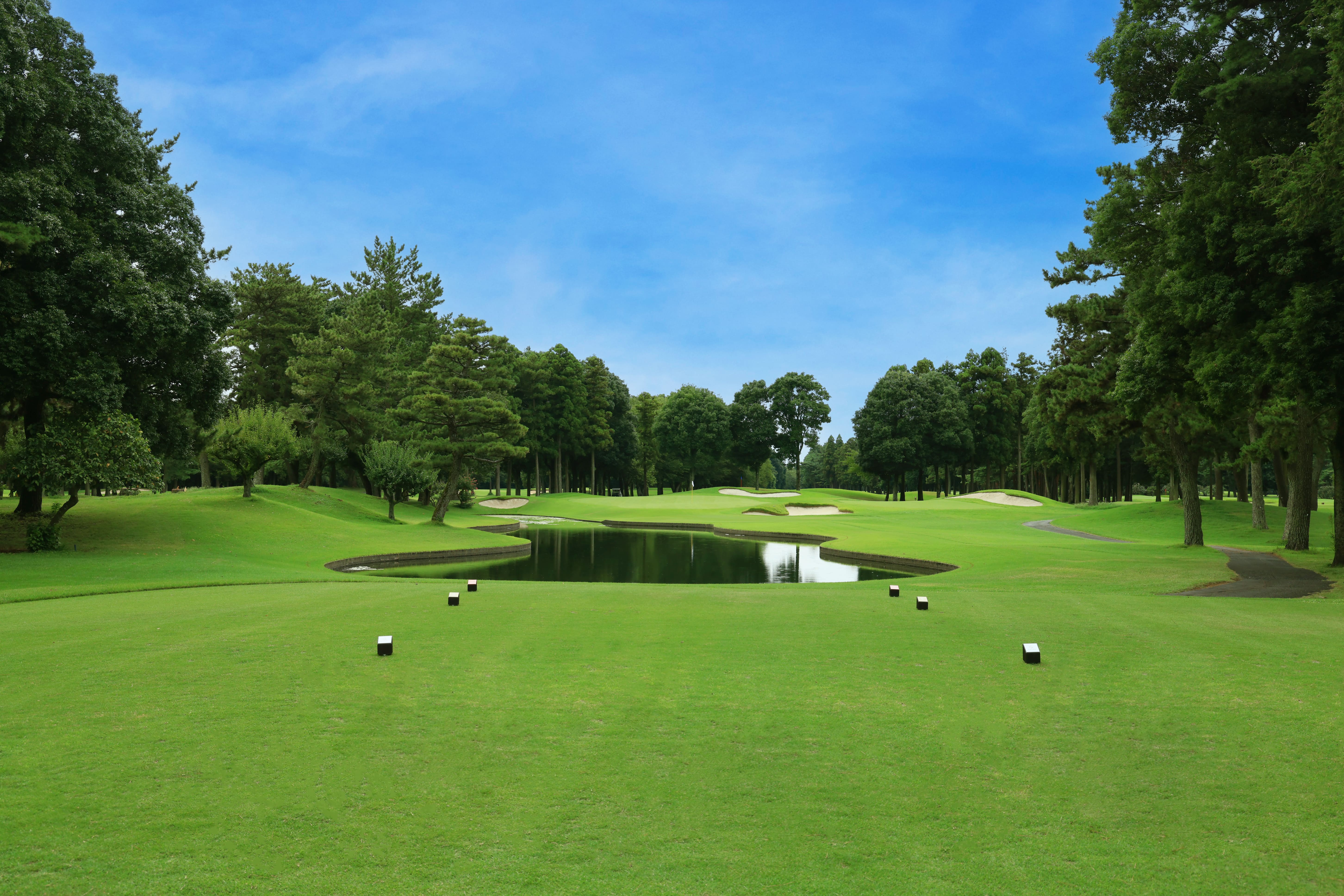
Japan’s diverse climate also makes golf a year-round tourism opportunity. Hokkaido is particularly suited to summer golf, while Okinawa and Kyushu offer opportunities during the winter months. Spring and autumn are ideal for many other parts of the country.
Okamichi sees an opportunity to make better use of this existing infrastructure and position Japan as a leading destination for international golf tourism.
“I want Japan to be number one in Asia for inbound golf tourism,” he said.
The full conversation is available here:://egc2026.co.jp/en/news/what-international-visitors-want-in-japan/
Media Contact
Elite Golf & Culture Inc. Toshihito Okamichi, Representative Director and CEO Email: info@egc2026.co.jp
Service site: https://elitegolfjapan.com